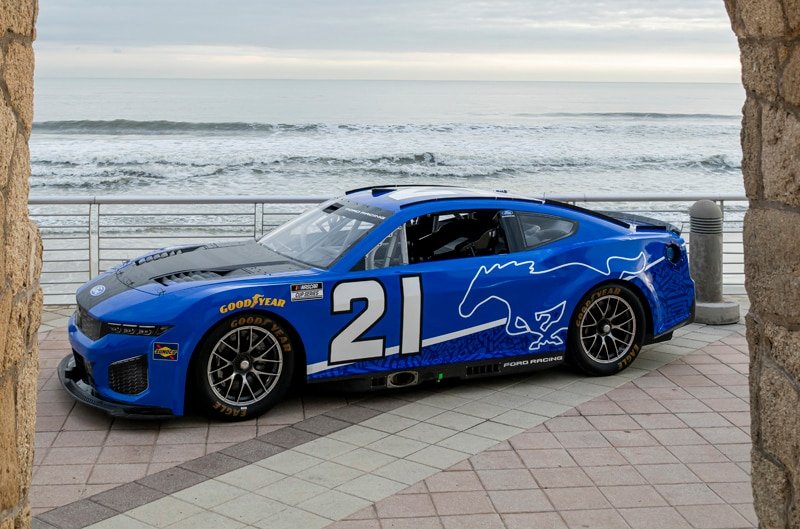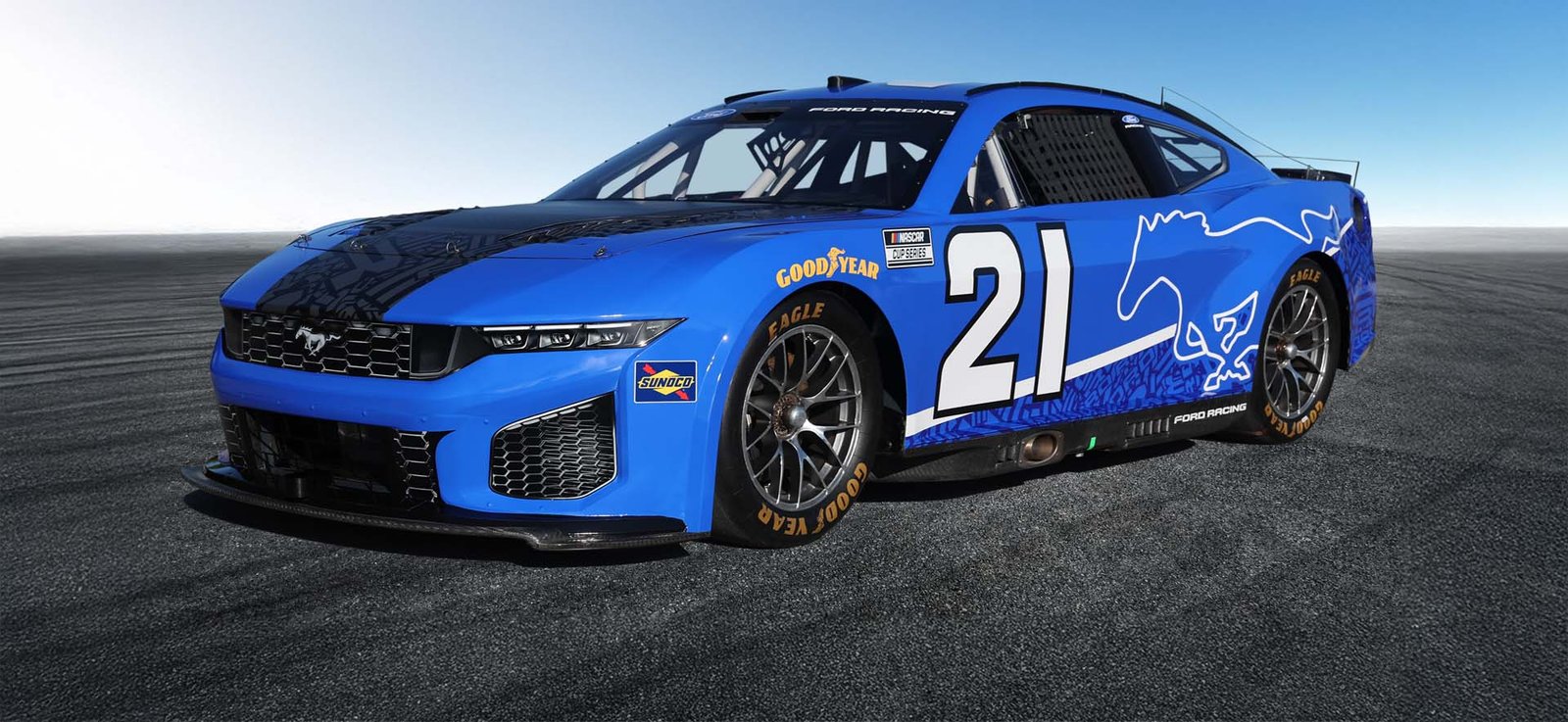
Ford Racing has unveiled the Mustang that will enter the 2027 NASCAR Cup Series, with styling connected to the production Dark Horse SC. This is an officially announced race car. It should not be confused with the separate Mustang Cobra teaser or treated as a new road-going trim you can order from a dealer.
The November 11 reveal was followed by a November 13 Ford account of its first Charlotte test. Together, the two updates give fans a useful first look at the shape of Ford’s next Cup contender and the work still ahead before competition.
| Item | Confirmed context |
|---|---|
| Series | NASCAR Cup Series |
| Reveal | November 11, 2026, in Daytona Beach |
| Road-car connection | Dark Horse SC design inspiration |
| Competition debut | 2027 Daytona Speedweeks; Daytona 500 on February 21 |
| Early testing | Charlotte tire test described by Zane Smith in Ford’s November 13 report |
A new face for Ford’s Cup contender
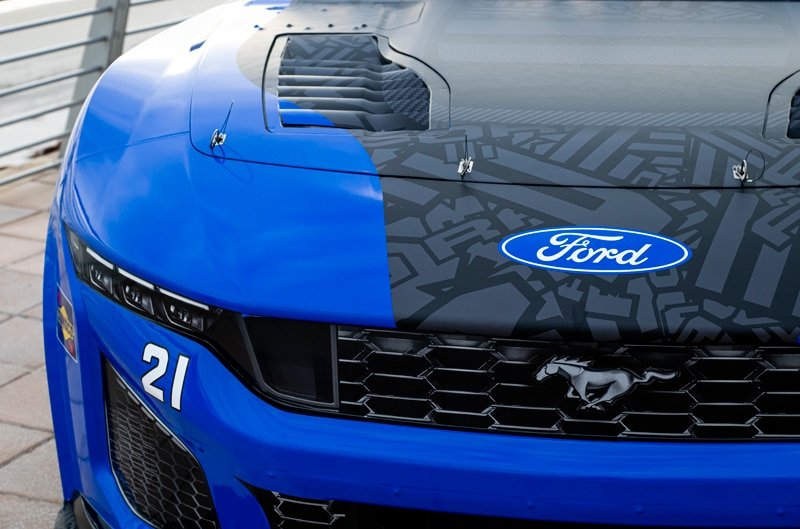
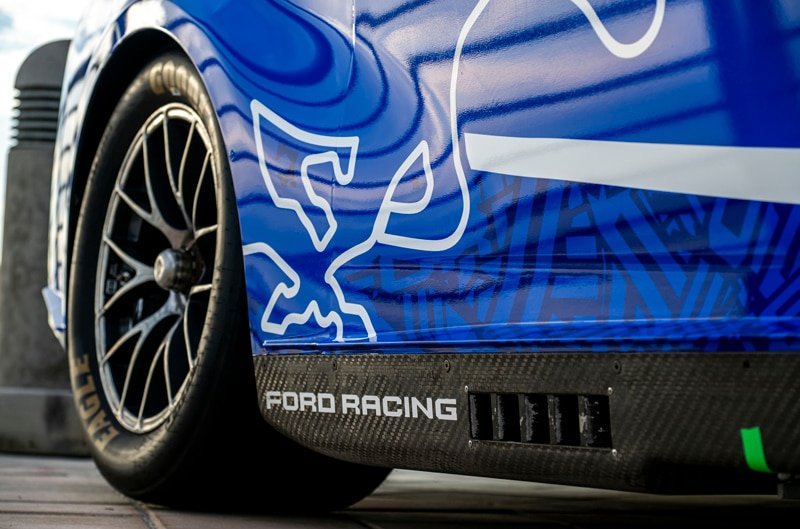
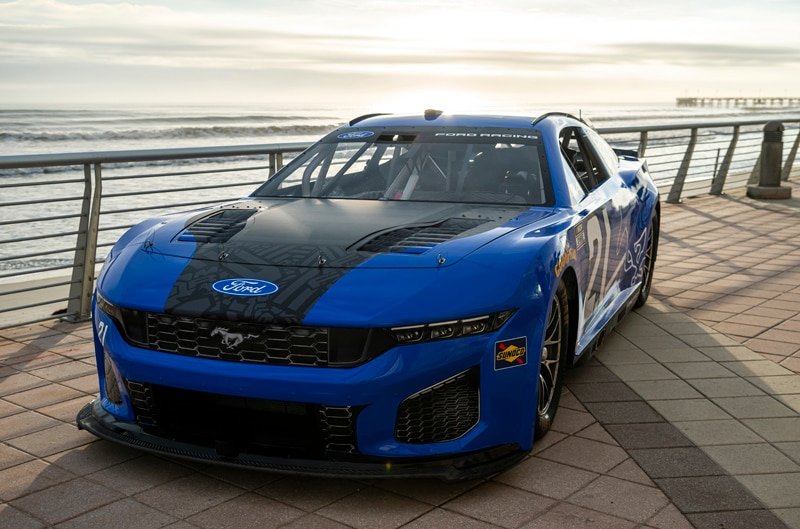
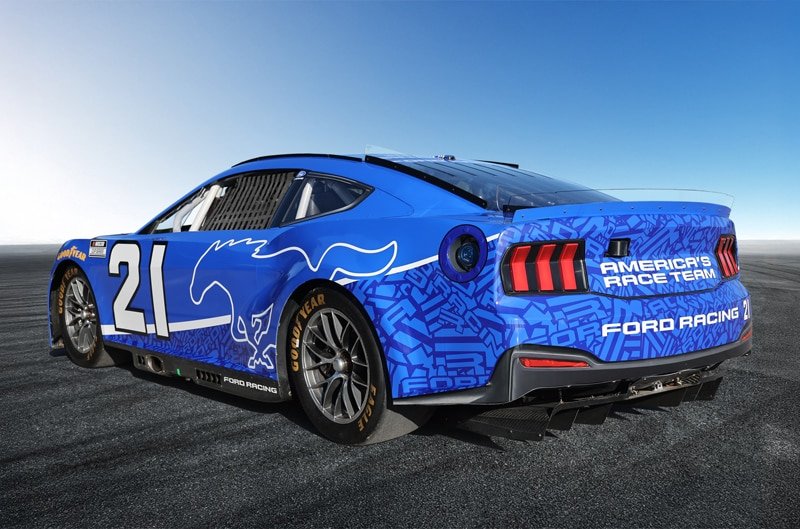
In Ford Racing’s reveal, the nose is a central part of the development story. Ford describes a link between road-car design, cooling needs and the aerodynamic demands of the race car. The shared visual identity is easy to see in the official front, side and rear views.
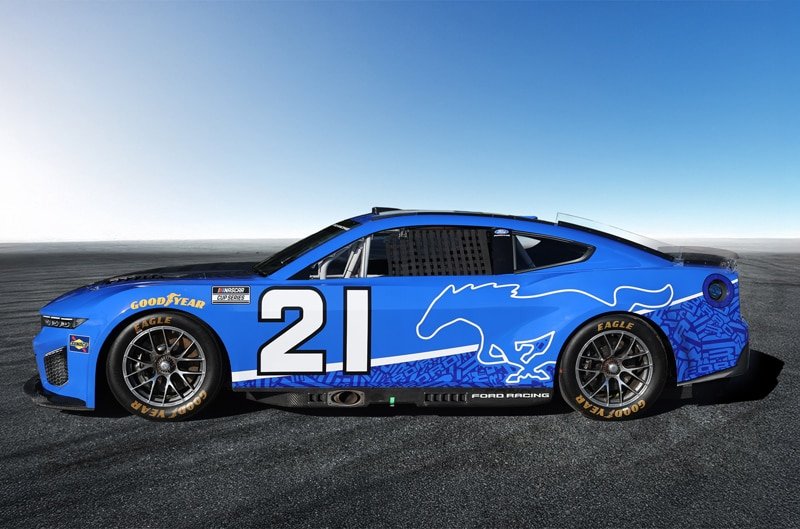
For a fan, the interesting comparison is where that identity survives the racing proportions. Look at the face, the treatment around the grille and the rear graphic together, rather than judging the car from one tightly framed angle. The gallery below adds launch-day views beyond the clean studio-style release photographs.
Race-car identity is not a road-car specification
A familiar name can make two very different stories look interchangeable in a social feed. Ford’s production Dark Horse SC and its NASCAR Cup contender belong in related coverage, but figures quoted for the street car must stay attached to the street car. A styling connection does not establish identical engines, transmissions, chassis or road legality.
That is why we have not placed the production SC’s horsepower in a box labeled “2027 NASCAR Mustang specs.” The reveal is a stronger story when it tells readers what has changed and what the source actually says, instead of borrowing a dramatic number from a different application.
What the Charlotte test tells us
In his Ford-published first-test account, Zane Smith reports 630 laps of running and a positive initial impression, particularly about corner entry and grip at an intermediate track. He also describes changing track conditions and different weather from the preceding race weekend.
Those observations are valuable development context from the driver who took part. They are not an independently controlled comparison proving a quantified performance gain. Tire testing, driver feedback and a race result answer different questions; a promising first outing cannot settle the entire 2027 season.
Three things to watch when racing begins
First, follow the car across different venues. A launch photo says little about how a racing package will work from one track type to the next. Read technical explanations alongside actual results rather than assuming every feature has the same benefit everywhere.
Second, keep development feedback attached to its conditions. If a driver discusses grip, note the venue, purpose of the session and weather context. That makes later comparisons more useful and avoids turning an early impression into a universal claim.
Third, distinguish the debut from the season’s larger story. Ford says the car’s competitive introduction comes during Daytona Speedweeks. NASCAR’s January announcement had already established the Dark Horse SC’s 2027 Cup direction; the November reveal shows how that plan has developed into a visible car.
A clearer way to follow Mustang racing
Keep a separate note for the vehicle, the series and the date whenever a new Mustang headline appears. “Mustang,” “Dark Horse,” “SC,” “GT3” and “Cup” are useful identifiers, but swapping them around can attach the wrong engine, photo or result to a story.
Our Mustang GT3 article covers a separate racing program. The FX Package guide concerns a road-car appearance package. That separation helps the newest Cup announcement make sense within the wider Mustang family.
Watch Ford’s launch-event film
Ford’s 30-second Proud to Honor Veterans Day Classic film sets the scene for the Daytona event that hosted the new Cup Mustang’s unveiling. The Classic used Mustang Dark Horse R race cars; those cars are separate from the 2027 NASCAR Cup contender pictured in this article.
Video: Ford Motor Company. Official event film, approximately 30 seconds. Closed-course competition footage; this is event context, not a test of the 2027 Cup Mustang.
2027 NASCAR Mustang photo gallery
Additional launch-day photographs from Ford Racing. Photo credit: Ford Motor Company. These show a competition vehicle and reveal event, not a showroom road-car configuration.