


Putting your Mustang away for winter should feel like finishing a good driving season, not gambling on what you will find in spring. The most useful storage plan is a short list you can actually follow: a clean, dry car, a suitable place to park, a battery plan, and a record of the checks that still need attention.
Quick answer: Prepare the car before its final parking day, follow the storage instructions for its exact model year, and schedule a few checks while it sits. This checklist is for gasoline-powered Mustang coupes and convertibles. A Mustang Mach-E needs its own electric-vehicle storage instructions.
Affiliate disclosure: Ultimate Stangs may earn a commission if you buy through links on this page. The optional wash-product recommendation below is separate from Ford’s maintenance guidance; no independent product test is claimed.
Start with a storage plan for your Mustang
Write down the year, engine, tire model, battery type, storage location, and expected return date. Keep the owner’s manual with that list. A restored classic, a stock GT, and a modified Shelby can need different instructions even when all three are spending winter in the same garage.
Ford’s 2025 Mustang storage instructions address storage lasting 30 days or more. Use that as a reminder to find your own manual, rather than treating this newer-car example as a universal service schedule. If a mechanic will handle preparation, give them the return date and ask what they want checked during storage.
| When | What to arrange |
|---|---|
| Before the last drive | Service needs, fuel plan, tire instructions, and a suitable parking location. |
| After the final wash | Complete drying, interior cleanup, and an inspection for issues you do not want hidden under a cover. |
| On parking day | Battery plan, cold tire readings, secure parking, and a written setup record. |
| During storage | Check the car and charging equipment on a calendar; follow the manual’s maintenance instructions. |
| Before the first spring drive | Undo storage preparations, inspect the car, and check tires and fluids again. |
1. Wash, dry, and inspect before covering the car
A final wash is a chance to see what is really on the paint. Work on a cool surface and choose products and wash methods approved for your finish. Stripes, fresh paint, matte finishes, wraps, and paint protection film deserve their own care instructions.
Do not make the last step “rinse and park.” AAA’s extended-storage guidance calls for a dry vehicle before storage. Give door openings, trim edges, and other water-catching areas attention, then clean out the cabin. Photograph any chips or existing damage so you have a useful starting record.
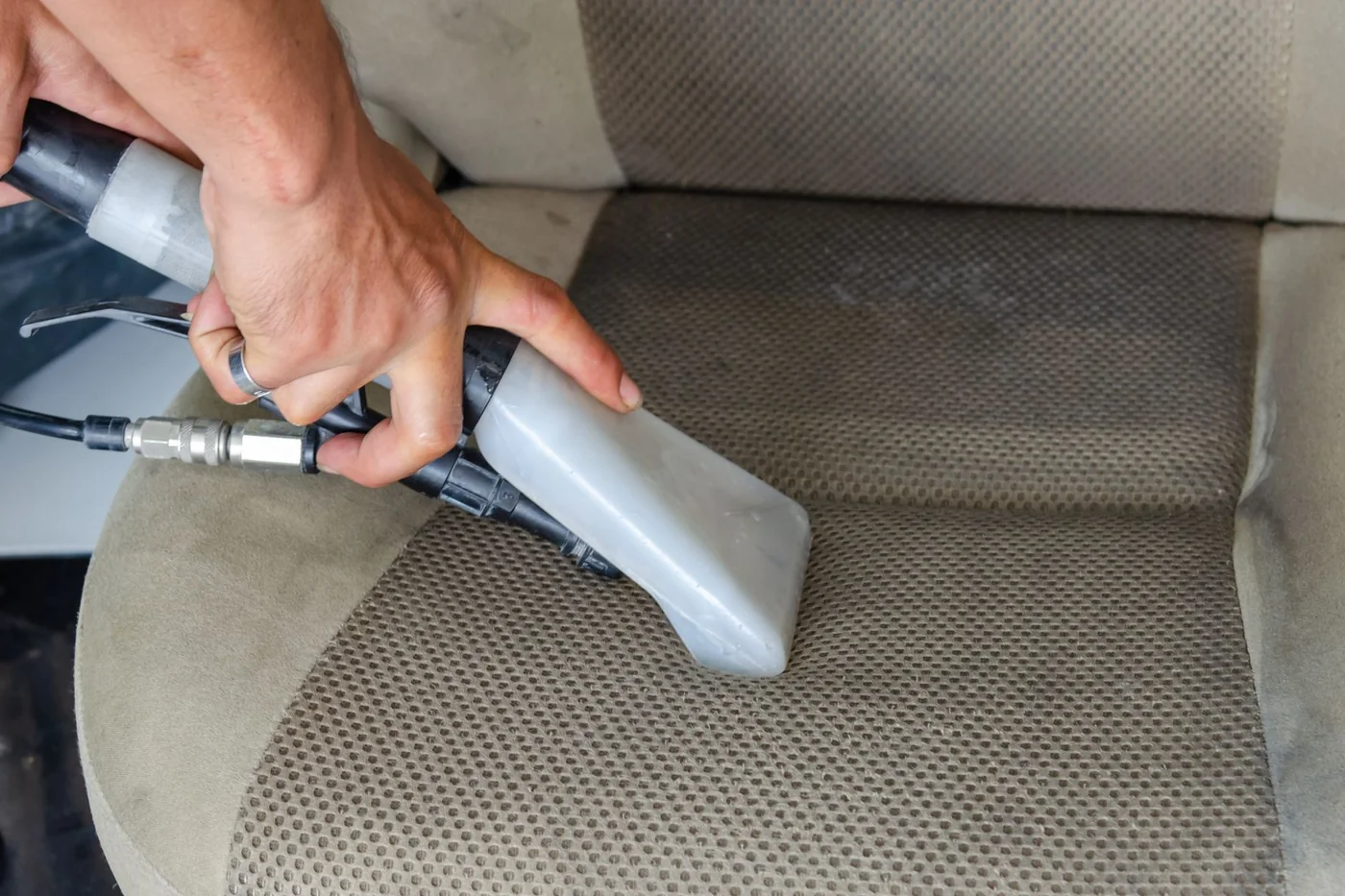
For an optional conventional maintenance wash, the 64-ounce Mr. Pink shampoo is one choice. Chemical Guys describes it as pH-balanced and suitable for bucket washing. Follow its current label and your finish manufacturer’s directions; shampoo is not a winter protectant or a substitute for thorough drying. Our Mustang wash and maintenance guide covers the broader routine.
If you are deciding which foaming equipment to use, read our foam gun versus foam cannon comparison. You do not need to add a pressure washer to your shopping list just to prepare a car for storage.
2. Resolve service and fuel questions before parking
A storage checklist should reveal unfinished work, not hide it. Note leaks, unusual smells, warning lights, overdue services, and fluid concerns while the car is still easy to move. Ask your shop to distinguish work needed now from checks due when the car returns to service.
Ford’s cited storage guidance calls for an oil-and-filter change before storage and filling the fuel tank to the pump’s first automatic shutoff. Check the instructions for your own year and fuel system. Do not keep adding fuel after the pump stops. If you use a fuel stabilizer, follow the product’s fuel-compatibility, dose, and circulation directions; there is no single dose for every tank or storage period.
Keep receipts and note the fuel and service dates. This is especially helpful on a classic or modified Mustang, where the person preparing the car may know details that a family member or future technician will not. For a car still being restored, our Mustang restoration guide can help organize the larger project separately.
3. Make a battery plan that matches the battery
Read the battery label and the vehicle manual before choosing a maintainer or a disconnect procedure. Charger mode, connection points, ventilation, and access after disconnection all matter. Do not assume an old charger is compatible simply because its clamps fit.
CTEK’s winter-storage guidance explains why batteries can discharge while a car sits and why a compatible maintenance charger can be useful. Treat the charging-equipment manufacturer’s instructions and Ford’s model-specific instructions together. Different battery chemistries and vehicle systems can require different charging or storage procedures.
Put the equipment where you can inspect it, keep its instructions with the car, and record when you checked it. If the storage unit has no approved electrical supply, arrange a model-appropriate alternative with your technician before parking. Choose charging equipment by battery chemistry and the vehicle’s instructions, rather than a generic Mustang shopping list.
4. Check tires before the temperature drops
Record a cold pressure reading for each tire and its correct target from the vehicle’s label or approved fitment documentation. Do not substitute a forum’s winter-storage PSI or the maximum molded into the sidewall. Ford’s cited storage instructions use the recommended cold pressures; follow the instructions for the exact tires and car you have.

Summer performance tires need an additional temperature check. Ford’s summer-tire guidance includes specific cold-storage and warm-up limits for the tires covered by that manual. Read your own tire manufacturer’s instructions before moving a car that has been sitting in deep cold. A garage that keeps rain off the car is not necessarily warm enough for every summer tire.
If the car will sit for an extended period, discuss tire support and any movement schedule with a qualified shop. Use the vehicle’s lifting and support instructions; do not improvise a long-term support arrangement from a generic checklist.
5. Choose the space and cover deliberately
Before committing to a space, look at the floor after rain, the ventilation, access for inspections, and the route you will need when bringing the car out. Keep the car accessible enough to check it without climbing over equipment.
AAA recommends indoor, dry storage where possible and a breathable cover when one is needed. Put a cover on a clean, fully dry car, and choose one appropriate for the location and finish. Keep food and clutter out of the cabin, and include signs of pests in your inspection notes. A cover can help with exposure; it does not replace looking at the car.

6. Leave a checklist for the next time you open the garage
Put your preparation record in the car and keep a copy where you will see it. Include the date, mileage, service work, charging arrangement, tire readings, and any item that must be removed or reconnected. Set a reminder to inspect the car and follow your manual’s storage-maintenance schedule.
Ford’s newer Mustang manual includes periodic movement and engine-operation instructions. If your manual calls for them, follow its full procedure in a safe setting rather than replacing it with a one-minute idle. Never run an engine in an enclosed garage. On return to service, use the manual’s removal-from-storage procedure and resolve leaks, damaged tires, or charging faults before driving.
Mustang winter storage FAQs
Should I disconnect the battery or use a maintainer?
That depends on the vehicle, battery, available power, and storage duration. Check Ford’s instructions for your model and the battery and charger documentation. Plan how you will access and secure the car if power is disconnected.
Should I add extra tire pressure for winter storage?
Do not apply a blanket increase to every Mustang. Use the storage instructions for your vehicle and tires, respect their limits, and restore the correct driving pressures before returning to the road.
Can I store my Mustang outside?
Sometimes that is the available option, but it needs a more deliberate weather, cover, and inspection plan. Check the space for standing water and changing conditions, and choose protection appropriate for outdoor use.
What should I buy first?
Start with the missing item in your preparation plan, not a shopping bundle. Existing wash supplies may be enough. Battery equipment, tire supports, and covers need their own compatibility checks; this guide does not assign universal products to those jobs.
A good storage plan is one you can reverse
Finish with a clean, dry Mustang and a short written record. Keep model-specific decisions visible, schedule checks instead of relying on memory, and leave yourself a clear route back to driving season. The goal is not the longest checklist—it is fewer surprises when the garage door opens again.
Sources and editorial notes
Researched November 12, 2026. This is an original planning guide, not a record of a storage test. Ford’s cited manual is a 2025 Mustang example; follow the manual for your exact vehicle. Sources: Ford storage guidance, Ford summer-tire guidance, AAA extended-storage guidance, CTEK battery-storage guidance, and Chemical Guys Mr. Pink specifications. Photography is illustrative and does not show an endorsed storage setup or product result.
Featured photograph: Justin Wolff / Unsplash. Landscape crop and WebP optimization; illustrative photography, with no endorsement implied.

